







THE OPEN CITY:
A HOME FOR NATURE
1 million new homes will have to be built in The Netherlands in the upcoming decades. This is largely due to the fact that an increasing amount of people is choosing to live alone. Solo dwellers can be divided into two categories: people who choose to live alone and people who are forced to do so. The former group thrives on the opportunities that the urban environment provides. The latter group, however, is generally more vulnerable to feelings of loneliness and social isolation. This project is an experiment on the role which urban nature can play in creating suitable urban environments for solo dwellers.
Modern, walkable and diverse cities create circumstances that are favourable to the solo dweller, who needs to have opportunities instead of obligations. Re-interpreting nature as “something that is left to be altered by time rather than being controlled by means of human intervention” can strengthen the idea of the city as something that is not a fixed form, but rather open in time. This type of environment is especially fit for solo dwellers, who suffer under excessive control, similar to spontaneous and ruderal vegetation. However, more managed forms of urban nature, such as urban rooftop farms, are more suitable to the latter group. They provide a meeting place and an activity that can be shared.
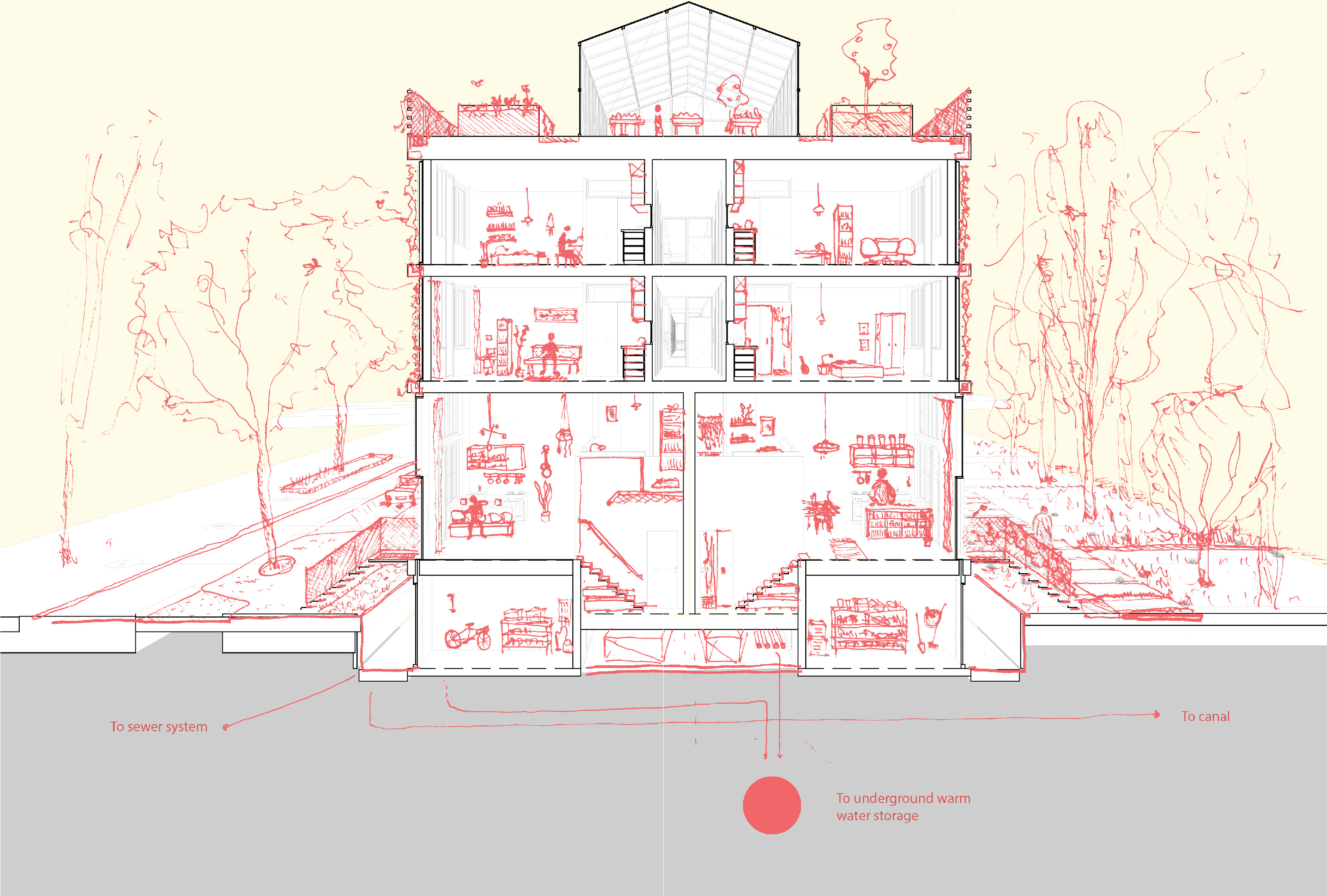
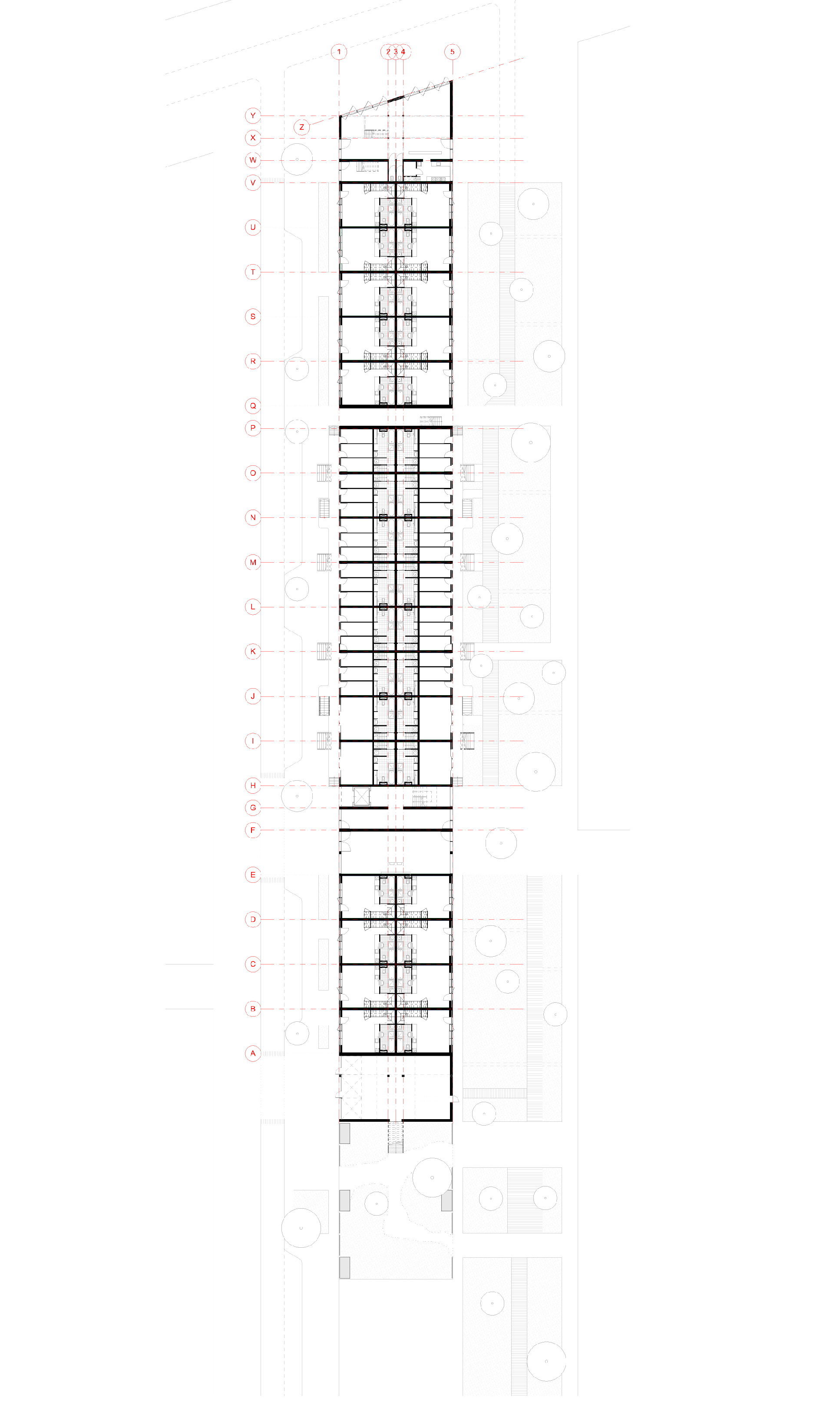
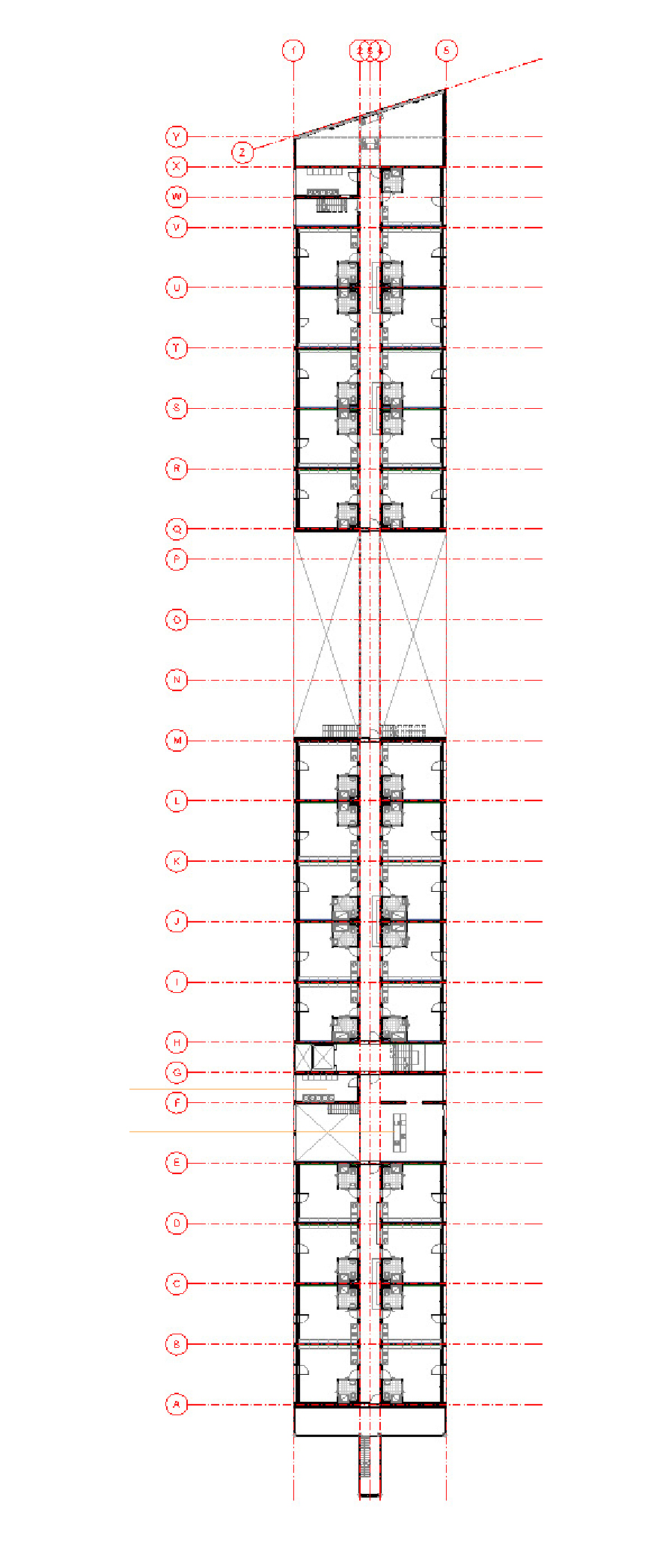
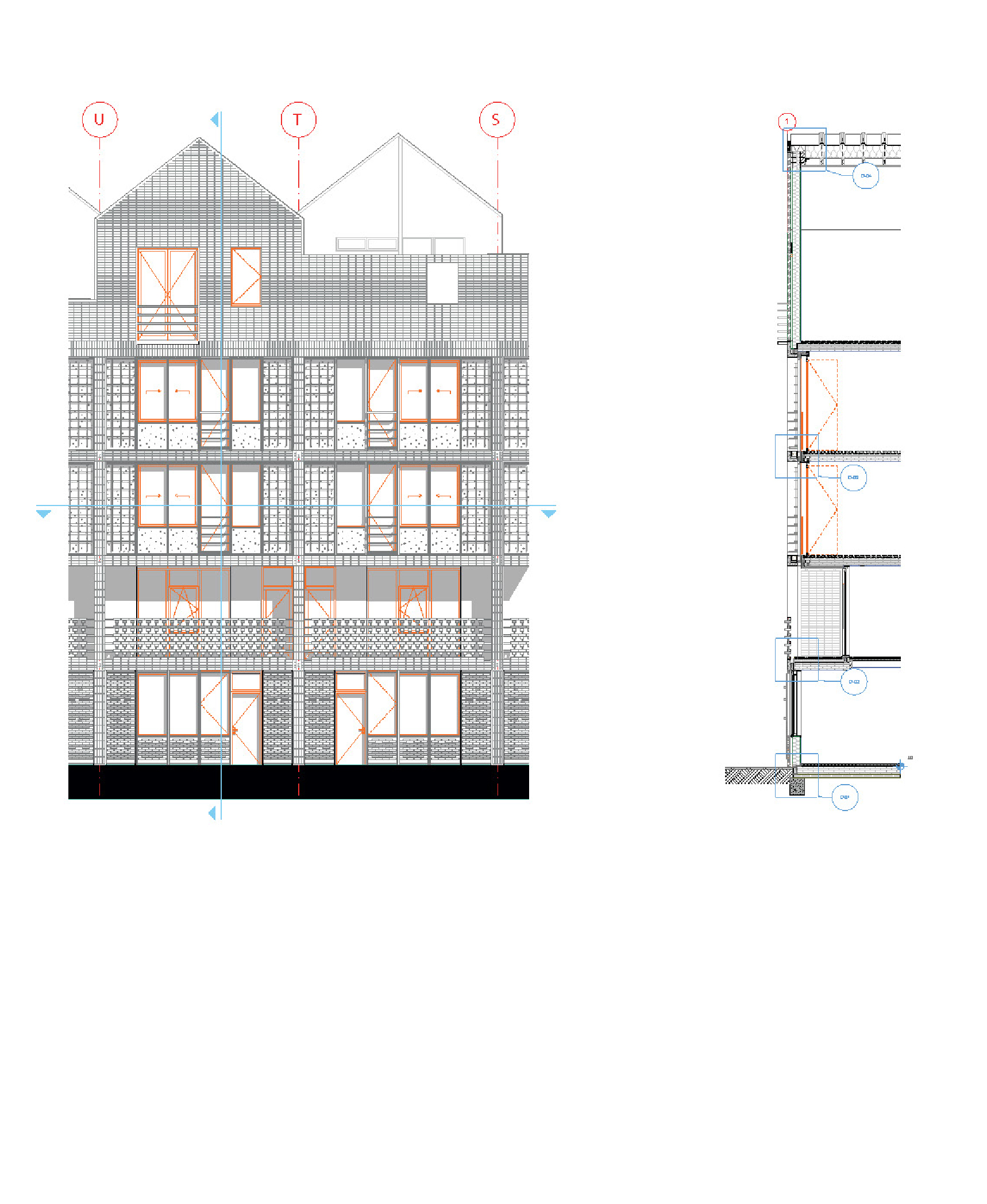
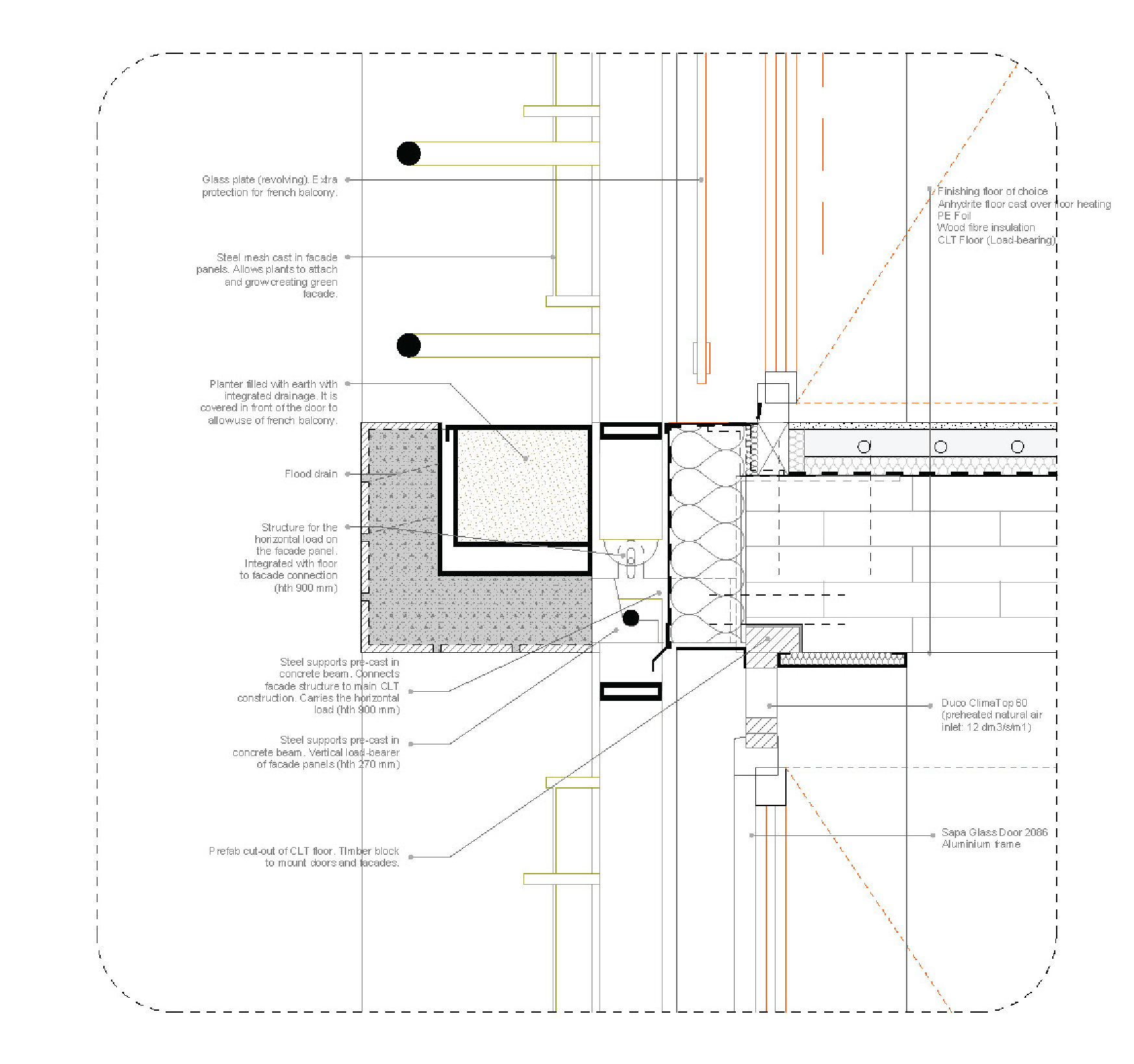
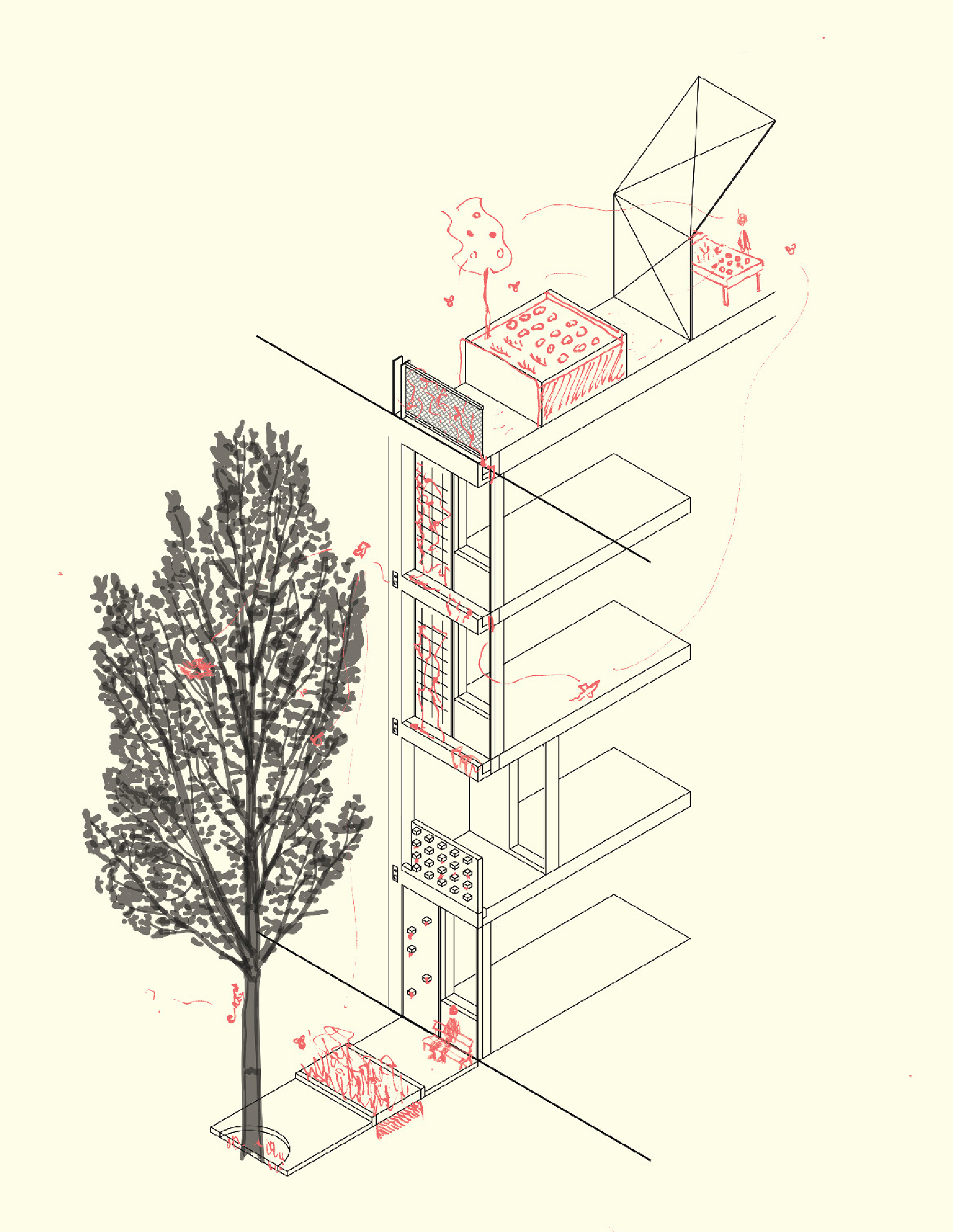
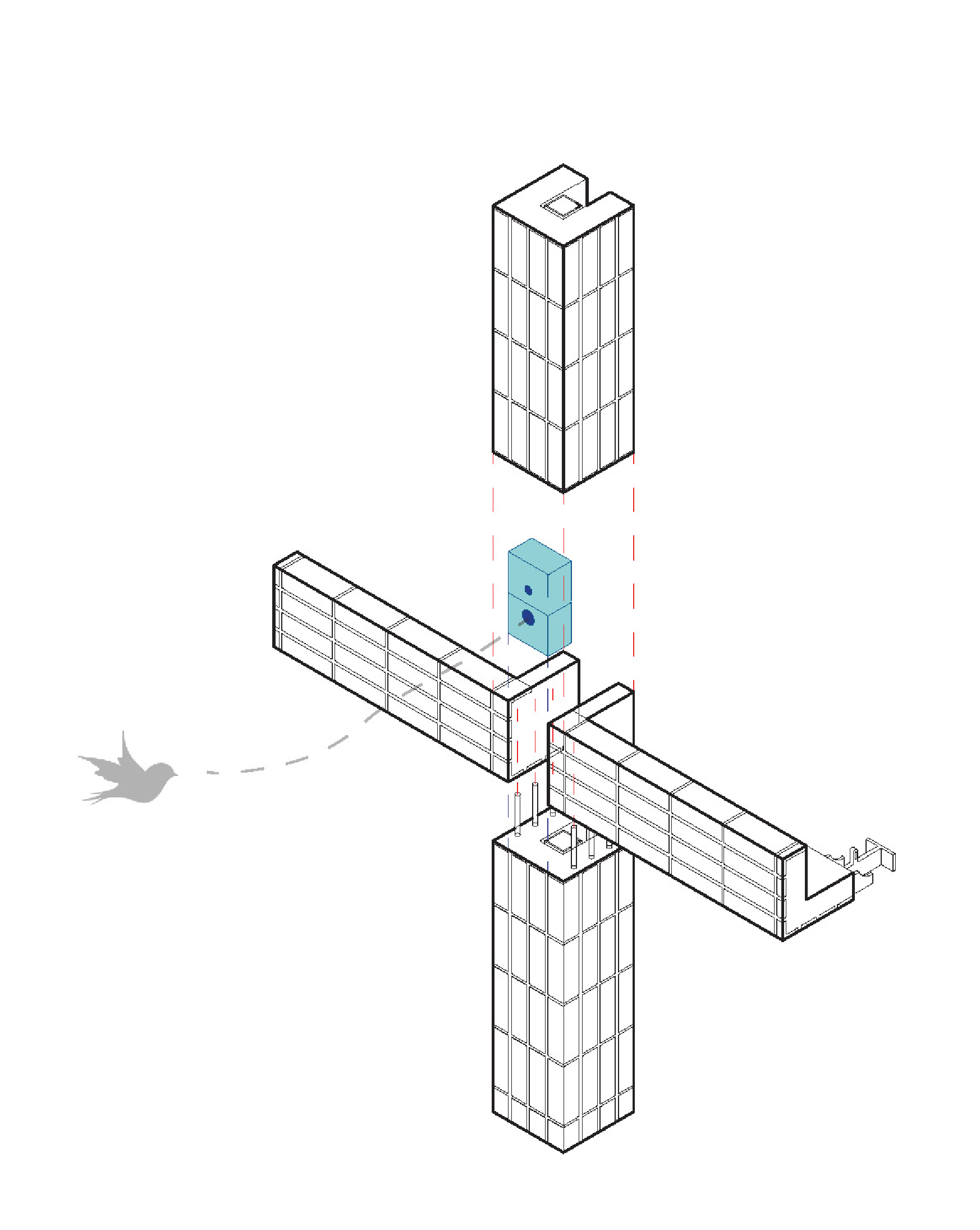
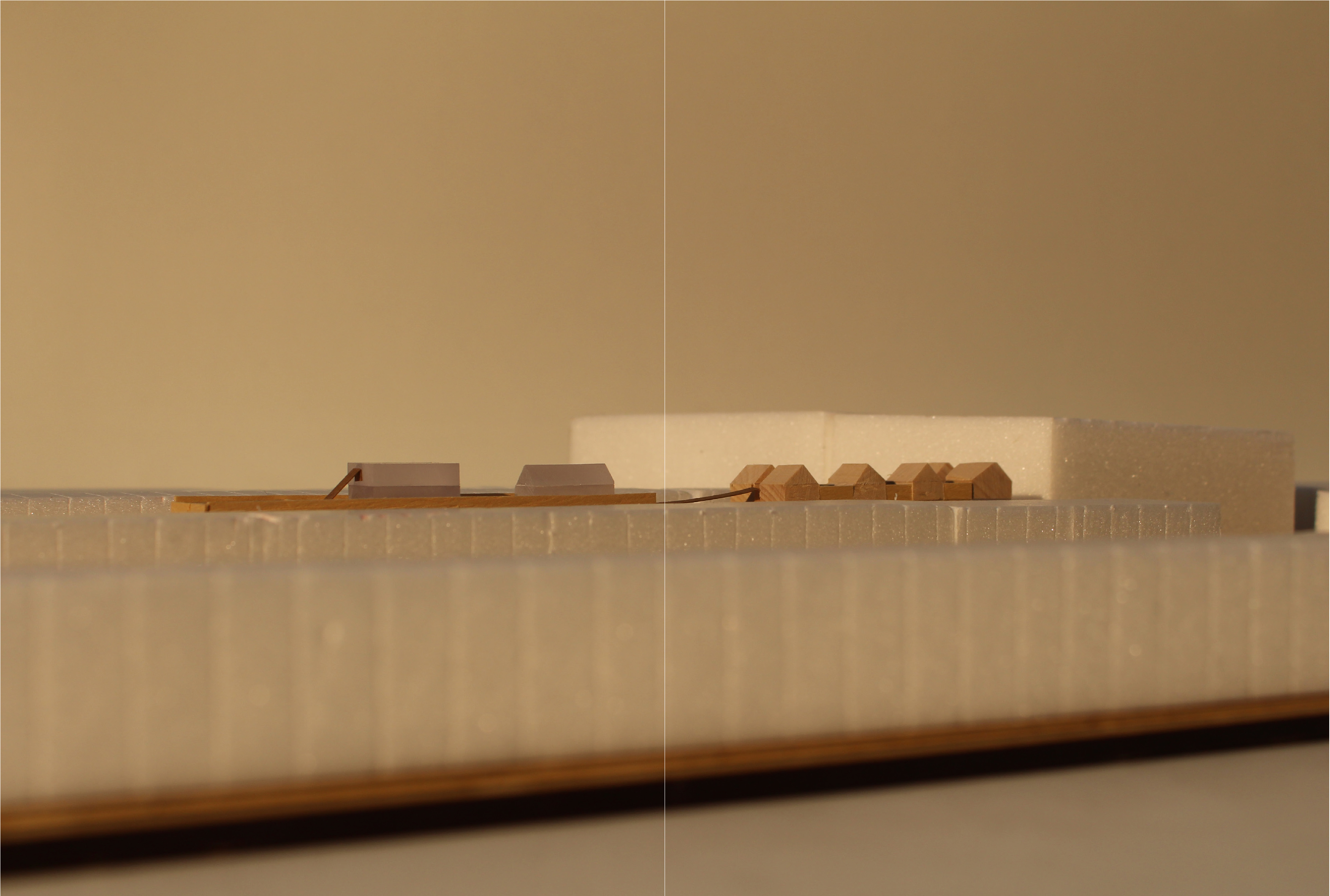
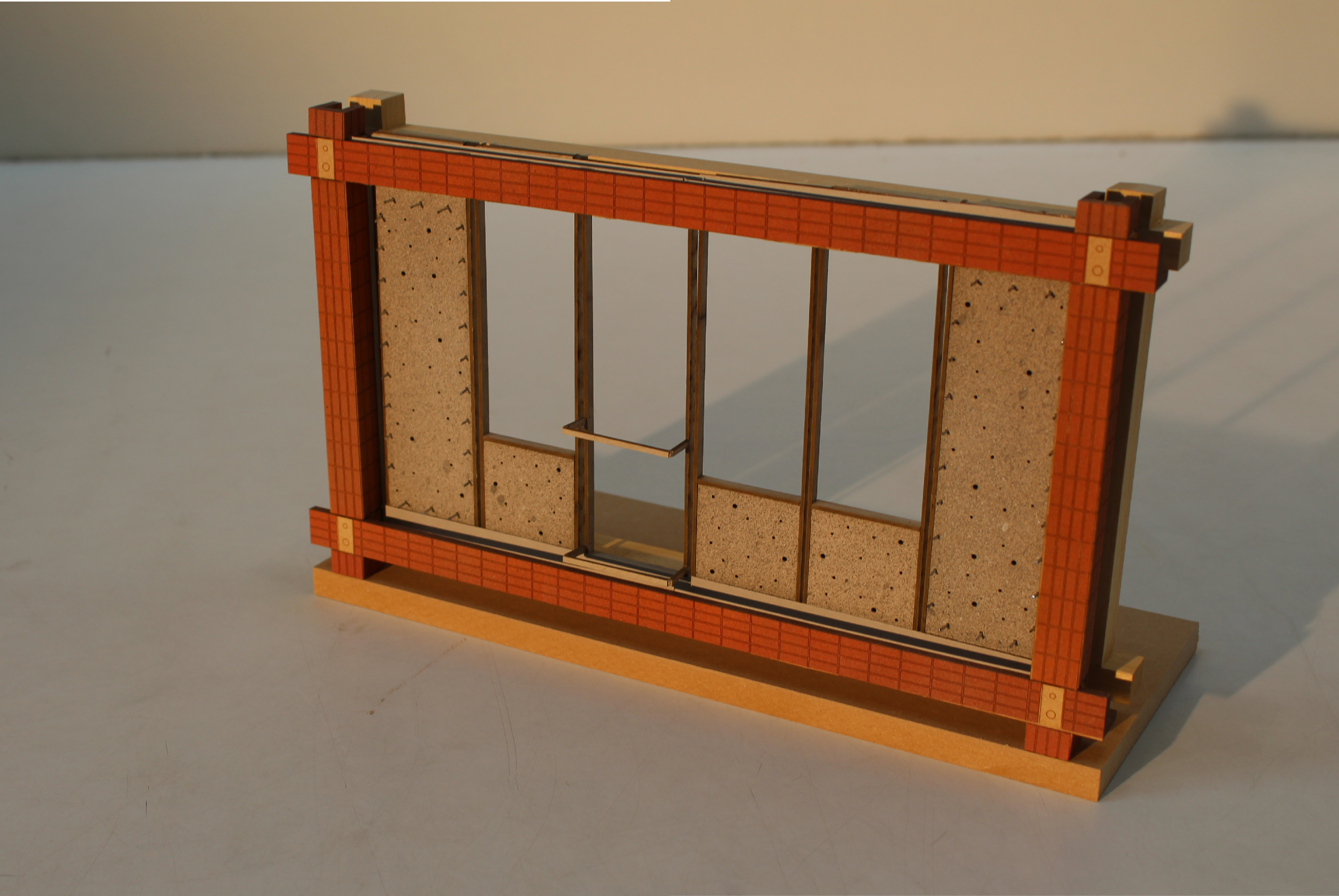
This graduation project consists of 102 homes for solo dwellers in the Minervahaven in Amsterdam, following an urban plan based on the principle of low-rise high-density. The design comprises diverse housing types, suited for both types of solo dwellers. Moreover, the building is covered with spaces for plants to grow, nesting boxes for birds, bats and insects and boasts a greenhouse and a tower for trees on the roof, symbolically celebrating nature as landmark within the city. If we strive for reconciliation between humans and nature, we must allow both to appropriate spaces; to leave their marks of inhabitation; to dwell within the city.
 HABITAT